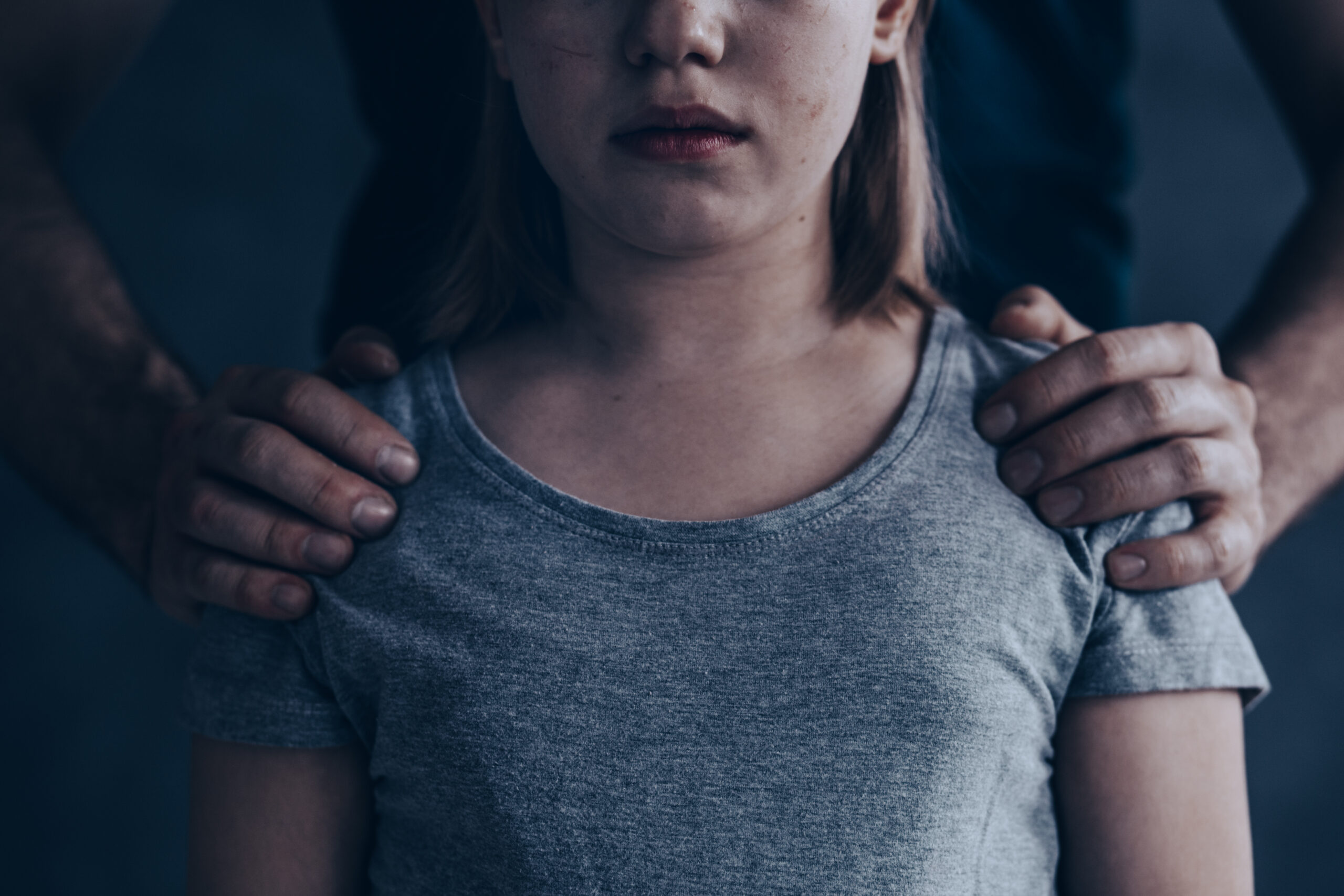
- Child sexual abuse can happen to any child, though there are some factors, like socioeconomic status and family living situations, that can increase the likelihood of abuse.
- Statistics show that a child is sexually assaulted in the U.S. every nine minutes, with female children being significantly more likely to experience abuse.
- If you or a loved one has experienced sexual abuse as a child, even if it was years ago, Helping Survivors can help you understand your legal rights and options for finding support and healing.
Child sexual abuse involves any sexual behavior with a minor, whether or not there is physical contact. Illegal conduct includes any interaction in which the child is used for the sexual stimulation of the perpetrator or an observer. Under the law, minors lack the legal capacity to consent to sexual activity and typically cannot comprehend the nature of such encounters.
Such abuse is not limited to any one demographic—children of all ages, races, ethnicities, and economic backgrounds are vulnerable to sexual abuse.
How Common is Child Sexual Abuse?
According to 2024 data from the U.S. Centers for Disease Control and Prevention, at least one in four girls and one in 20 boys in the U.S. experience child sexual abuse at some point during childhood. About 90% of that abuse is perpetrated by someone known and trusted by the child or their family.
Unfortunately, the majority of this abuse goes unreported because many children are threatened by the perpetrator to remain silent or don’t fully comprehend what has happened to them until years later.
How Often Does Child Abuse Happen?
Every year, tens of thousands of U.S. children and teens experience sexual abuse, causing lasting psychological and physical consequences. According to data from RAINN, a child is sexually assaulted somewhere in the country every nine minutes.
Between 2009 and 2013, child protective services agencies found evidence that roughly 63,000 children per year were victims of sexual abuse. This number included 1 in 9 girls and 1 in 20 boys under 18. Females constituted 82% of all victims.

What Happens After Child Abuse?
Child sexual abuse is a serious public health problem with long-term impacts on children’s health, opportunities, and well-being. Additionally, experiencing child sexual abuse can dramatically increase a person’s risk for future sexual victimization.
Research indicates that women who experienced sexual abuse in childhood are two to 13 times more likely to experience sexual violence in adulthood. Victims of sexual violence are also four times more likely to develop symptoms of drug abuse and four times more likely to experience PTSD as adults.
How Many Survivors Report Their Abuse?
Many children wait to report or never report child sexual abuse, often because they don’t understand what has happened to them. Only about a third of child sexual abuse survivors disclose the abuse.
Common Perpetrators of Child Sexual Abuse
Perpetrators of child sexual abuse often look and act just like anyone else, and sexual abuse often occurs in churches, schools, and youth sports leagues. Abusers can be neighbors, friends, family members, mentors, and more. In 2013, perpetrators of child sex abuse reported to Child Protective Services included 47,000 men and 5,000 women, meaning 88% of reported perpetrators were male.
In the digital age, perpetrators now connect with children online via social media, gaming, or messaging platforms. Therefore, parents should monitor their children’s online activity for signs of grooming or abusive interactions.
What Are the Most Common Relationships Between Perpetrators and Victims?
According to the CDC, 93% of sexual abuse victims under age 18 know their abuser in cases reported to law enforcement. That statistic breaks down as follows:
- 59% were acquaintances
- 34% were family members
- Just 7% were strangers
The data show that the younger the victim, the more likely the abuser is a family member.
Meanwhile, most child sexual abuse occurs in a residence, typically either the victim’s or the perpetrator’s. Data shows that children who live with two married biological parents are at the lowest risk for abuse, and risk level increases when children live with step-parents or a single parent. Children living without either parent are 10 times more likely to experience sexual abuse, and children living with a single parent with a live-in partner are 20 times more likely to be abused.
Is Child Sexual Abuse Always Perpetrated by Adults?
Though the majority of child sexual abuse perpetrators are adults, almost a quarter of reported cases of child sexual abuse are perpetrated by individuals under age 18, according to a study conducted by the U.S. Department of Justice in 2000. Youth also have significantly higher rates of experiencing sexual abuse and assault than adults, and nearly 70% of all reported sexual assaults occur to people aged 17 and under.
What Factors Increase the Risk of Child Sexual Abuse?
While no child is immune to the risk of sexual abuse, some factors may make them more vulnerable to abuse, including the following:
- Gender: Female children are five times more likely to be abused than males.
- Age: Children are most vulnerable between the ages of seven and 13.
- Socioeconomic Status: The risk for child sexual abuse triples for children whose parents do not work and for children in low socioeconomic status households.
- Rural Areas: Children in rural areas are nearly twice as likely to be victims of sexual abuse.
- Family Living Situation: The greatest risk factor for child sexual abuse is having a step-parent living in the home.
Child Sex Abuse Resources
Child sexual abuse is preventable, and adults are responsible for ensuring children have safe, stable, nurturing relationships and environments.
To report child exploitation, you can contact the FBI tipline at tips.fbi.gov or the National Center for Missing and Exploited Children Cyber Tipline at report.cybertip.org or 1-800-THE-LOST. Survivors may also have the right to file a civil lawsuit against the individuals and institutions that perpetrated and enabled abuse.
Additionally, RAINN’s National Sexual Assault Hotline offers free, confidential, 24/7 support for victims. Call 800-656-HOPE, visit RAINN.org/hotline, or text HOPE to 64673.