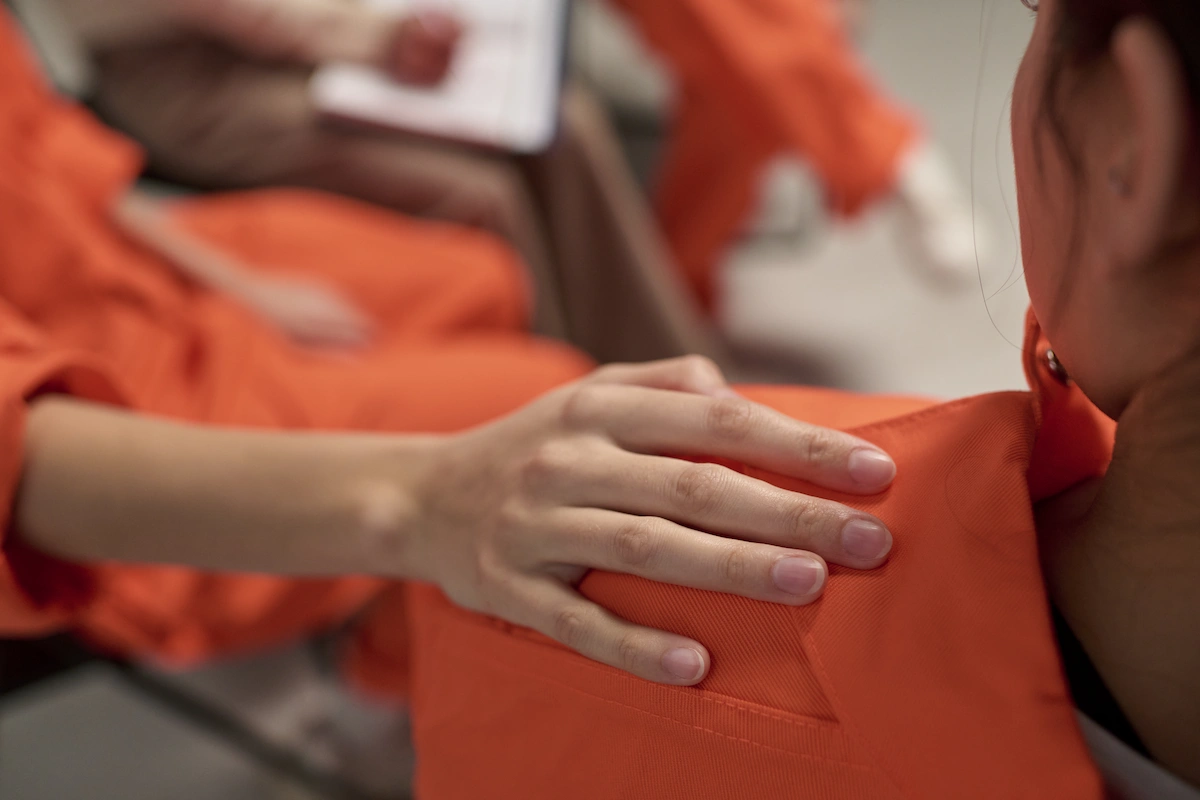
Sadly, incarcerated people in the U.S. face a high risk of sexual abuse and assault by other inmates and prison staff. Learn more about how many incarcerated individuals are sexually victimized each year, who’s most at risk, and why many people feel afraid to report abuse.
- Between 4% and 6% of prison inmates in the U.S. are sexually victimized while in custody, with women experiencing higher rates of abuse.
- The majority of sexual abuse and assault victims in prisons never report the abuse due to fears of not being believed or being retaliated against. Others are unfamiliar with their reporting options under the Prison Rape Elimination Act, or PREA.
- If you or a loved one has experienced sexual abuse in a prison or jail in the U.S., you have legal rights and options for seeking accountability. Get legal help here today.
In 2020, U.S. correctional institutions reported over 36,000 allegations of sexual victimization, and more than a quarter of substantiated cases involved abuse by staff. Perpetrators of custodial abuse may be corrections officers, law enforcement agents, or facility staff members. Inmates cannot legally consent to sexual conduct with prison staff.
Victims of prison abuse are often targeted repeatedly, especially members of more vulnerable populations, such as youths, individuals with disabilities, and LGBTQIA+ individuals. It’s also uncommon for victims of prison abuse to report the abuse, and when they do, the bias against incarcerated people may make them less likely to be believed. This vulnerable population deserves belief, support, and justice.
How Common Is Prison Sexual Abuse?
Sexual abuse in U.S. prisons is tragically common. According to a report from the Department of Justice, over 200,000 incarcerated people are sexually assaulted in the U.S. each year, mostly in state and local prisons. The Federal Bureau of Prisons received 8,500 allegations regari of sexual abuse of incarcerated people from 2014 through 2022, and half of the allegations were filed against BOP employees.
According to the Bureau of Justice Statistics, the overall rate of sexual victimization reported by adult prison inmates in 2023 to 2024 was 4.1%. Nine prisons were identified as high-rate facilities for inmate-on-inmate sexual victimization, 7 were identified as high-rate facilities for staff-on-inmate sexual victimization, and 2 were identified as high-rate facilities for both.
Vulnerability by Gender
More women than men report being sexually victimized in prisons, according to the Bureau of Justice Statistics. In 2023 and 2024, almost 6% of female inmates reported sexual victimization, as opposed to 4% of male inmates. However, there was little difference between the genders who reported being victimized by facility staff, such as guards. Just over 2% of male and female inmates reported staff sexual abuse.
According to data compiled in accordance with the Prison Rape Elimination Act, 87% of incarcerated women are survivors of sexual assault at some point in their lives, either in prison or before being detained. Generally, women, young people, and LGBTQ+ people are at a higher risk of being sexually assaulted in prisons.
Vulnerability by Sexuality
According to a 2024 report by the nonprofit news organization The Marshall Project, 52% of LGBTQ inmates reported unwanted touching, and 31% reported sexual assault or rape.
Although only about 2,000 transgender people are incarcerated in federal prisons, they are disproportionately targeted for abuse and assault. In particular, transgender women in men’s prisons are a main target for extortion, exploitation, and assault. 37% of incarcerated transgender people reported having been sexually assaulted in prison. Transgender people also tell of being forced into sex work by fellow prisoners.
What Prevents Victims From Reporting?
Under the federal Prison Rape Elimination Act, or PREA, prisons must establish procedures for inmates to report abuse. Incarcerated individuals report multiple challenges with reporting sexual abuse in federal prisons, including limited knowledge resources and reporting options, fear of retaliation, and insufficient evidence.
In one study, 61% of incarcerated people said they didn’t know the identity of the PREA Compliance Manager at their facility. 73% said they didn’t know they could ask a rape crisis center or advocacy group to report on their behalf. 32% didn’t know they could ask family or friends to report on their behalf.
If You Are Not Sure Where to Turn, RAINN Can Help.
Call 800-656-HOPE (4673) to talk confidentially with a trained professional from RAINN.
They can put you in touch with local resources and organizations that can help in your healing journey.
If you want to speak to a lawyer about your experience, we can help.
Common Perpetrators of Prison Sexual Abuse
In 2023 and 2024, 2.3% of adult inmates reported sexual victimization by another inmate, and 2.2% reported sexual victimization by facility staff, according to the Bureau of Justice Statistics. In a study of sexual abuse in federal prisons by the Government Accountability Office, 77% of alleged perpetrators were federal Bureau of Prisons employees.
The prison with the highest rate of sexual victimization was Bedford Hills Correctional Facility, a female prison in New York. According to the data from the U.S. Department of Justice, 8.6% of Bedford Hills inmates reported sexual victimization.
Meanwhile, the data shows that 15.6% of inmates at the Albion Correctional Facility, a women’s prison in New York, and 5.9% of those at the Pontiac Correctional Center, a men’s prison in Illinois, reported sexual victimization.