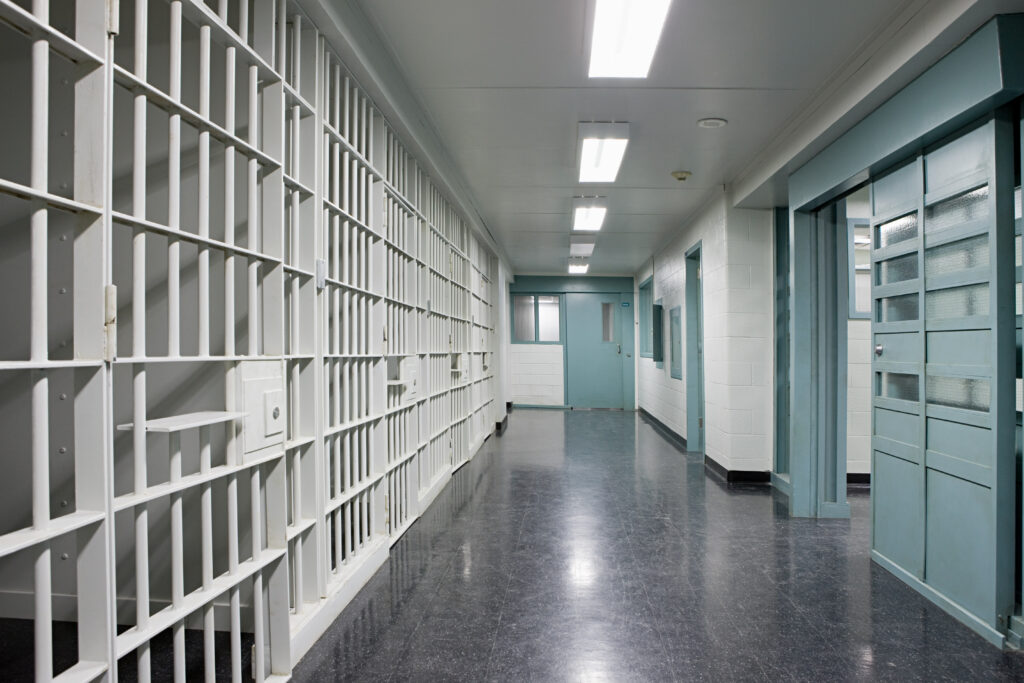
Idaho lawmakers are considering new legislation aimed at expanding legal protections for incarcerated individuals following investigative reporting that raised concerns about sexual misconduct by correctional staff in the state’s women’s prisons.
House Bill 696, currently advancing through the Idaho Legislature, proposes expanding the legal definition of “sexual contact with a prisoner.” Supporters say the change could help address a gap in current law that may make it difficult to hold correctional staff accountable in some alleged misconduct cases.
The legislation follows reporting that examined allegations involving correctional staff at Idaho’s women’s prison facilities. According to that reporting, dozens of correctional employees were accused of sexual misconduct involving incarcerated women over the past decade. However, only a small number of those cases resulted in criminal charges.
If enacted, House Bill 696 would broaden how Idaho law defines prohibited sexual contact between correctional staff and incarcerated individuals. Lawmakers and advocates say the proposal could help align the state’s statutes more closely with federal standards designed to prevent misconduct in correctional facilities.
The bill passed unanimously out of the House Judiciary, Rules and Administration Committee on February 27 and is expected to be considered by the full House.
Current Law Limits What Qualifies as Sexual Contact
Under Idaho’s existing law, a correctional officer can face felony charges for sexual contact with a prisoner only when the contact involves genital touching or when a prisoner is made to touch the staff member’s genitals.
Critics say this definition excludes other forms of inappropriate physical contact that may still involve sexual intent, such as groping, kissing, or touching over clothing.
Federal standards developed under the Prison Rape Elimination Act (PREA) take a broader view. Those standards prohibit all sexual contact between correctional staff and incarcerated individuals, including unwanted touching, suggestive comments, and voyeuristic behavior.
Former prosecutors and legal professionals have suggested that Idaho’s narrower definition may contribute to the limited number of criminal charges brought against correctional staff accused of misconduct.
House Bill 696 would expand the definition of sexual contact to include “any willful physical contact, over or under clothing,” if it occurs with the intent of sexual arousal or gratification.
Supporters say this change could give investigators and prosecutors more clarity when evaluating allegations involving correctional officers.
Investigation Highlighted Allegations Involving Dozens of Staff
The legislative effort comes after InvestigateWest reported that 37 correctional workers had been accused of sexual misconduct involving incarcerated women in Idaho over the past decade.
According to the reporting, only three of those individuals were criminally charged under the current sexual contact statute. Of those cases, one person received a prison sentence, though the sentence was later avoided through a rehabilitation alternative offered by the Idaho Department of Correction.
Lawmakers say the bill is intended to send a clear message that sexual interactions between correctional staff and incarcerated individuals are unacceptable.
Rep. Marco Erickson, the Republican lawmaker who sponsored the bill, said the proposal was designed to strengthen accountability and deter misconduct within correctional institutions.
At the same time, the legislation seeks to clarify that normal, non-sexual contact would not automatically be criminalized.
During a committee hearing, a question from a constituent raised the possibility that the law might apply to a simple hug between a guard and inmate. Erickson said the bill would not treat such contact as a felony unless it occurred with the intent of sexual gratification.
Survivors and Advocates Speak at Legislative Hearing
Several individuals and advocates spoke in support of the bill during the legislative hearing.
Andrea Weiskircher, who has publicly shared allegations that multiple correctional staff members engaged in misconduct during her incarceration, addressed lawmakers about her experience.
She told legislators that individuals entrusted with authority over her housing, safety, and movement allegedly used that authority in harmful ways. According to her testimony, she believes current laws make it difficult for victims to see accountability in similar situations.
Supporters describe the legislation as an initial step toward improving accountability and oversight within correctional facilities.
The Power Imbalance Between Staff and Incarcerated Individuals
Federal policy and many state laws recognize that individuals in custody cannot legally consent to sexual contact with correctional staff due to the power imbalance present in correctional environments.
Incarcerated individuals may feel pressure to comply with requests from guards out of fear of disciplinary consequences, housing changes, or other forms of retaliation.
Because of this dynamic, many laws treat any sexual contact between correctional staff and incarcerated individuals as inherently non-consensual.
However, Idaho’s separate sexual battery laws still require prosecutors to prove a lack of consent in some cases. Advocates say this requirement may create additional challenges when cases involve prison staff and incarcerated individuals.
By expanding the definition of sexual contact in the specific statute governing correctional staff, House Bill 696 could reduce the burden of proving coercion or lack of consent in certain situations.
Additional Oversight May Follow
Rep. Erickson indicated that the current legislation is only one step in addressing concerns about misconduct investigations within Idaho correctional facilities.
He suggested lawmakers may explore additional reforms in the future, including measures related to how allegations involving correctional officers are investigated.
Officials from the Idaho Department of Correction have indicated support for the bill during public meetings. Government relations advisor Tina Transue said the measure could provide the agency with stronger tools to address misconduct and bring Idaho law closer in line with federal PREA standards.
The Idaho State Police, which investigates criminal allegations involving correctional staff, has not publicly commented on the pending legislation.
If House Bill 696 passes the Idaho House of Representatives, it will move to the state Senate. If approved there, it would still require the governor’s signature before becoming law.