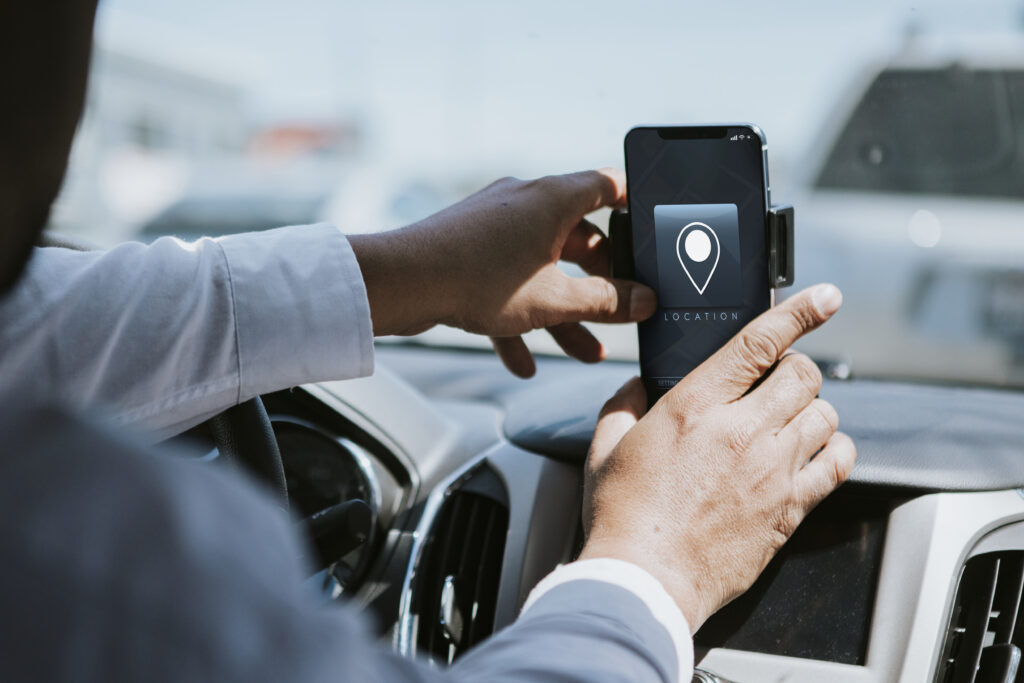
Uber announced Monday that it is expanding a feature across the United States that allows women riders and drivers to be matched with other women. The update, called “Women Drivers,” is designed to give women more choice when using the ride-hailing platform, an issue that has drawn increased attention in recent years as both passengers and drivers raise concerns about safety during rides.
The nationwide rollout comes after months of testing in several cities and arrives at a time when ride-hailing companies are facing scrutiny over safety incidents and legal disputes about gender-based matching policies.
While Uber says the feature responds to requests from women who want more control over who they ride with, some drivers have filed lawsuits claiming the policy discriminates against men.
How the “Women Drivers” Feature Works
The new option gives women riders several ways to request rides with female drivers within the Uber app.
Passengers can select a setting called “Women Drivers” when requesting a trip. If no female drivers are available within a reasonable wait time, the rider can choose to accept another driver instead. Riders may also schedule a future ride with a woman driver when reserving trips in advance.
Another option allows women users to enable a preference setting in the app. When turned on, the system attempts to prioritize matching them with female drivers whenever possible. However, Uber notes that this feature increases the chances of being matched with a woman but does not guarantee it.
The company is also extending the feature to teen account users, allowing teenage riders to request female drivers.
Female drivers can also use the system to request rides primarily from women passengers. Drivers can toggle this setting on or off at any time through their app preferences.
Uber reports that approximately 20% of its drivers in the United States are women, though the percentage varies by city.
Safety Concerns in the Ride-Hailing Industry
The introduction of gender preference features comes after years of safety concerns surrounding rideshare platforms.
Both Uber and its competitor Lyft have faced criticism over incidents involving sexual misconduct reported by passengers and drivers. Ride-hailing companies have published safety transparency reports outlining these incidents in an effort to track trends and show improvements over time.
According to Uber’s safety data, 5,981 reports of sexual assault were recorded in U.S. rides between 2017 and 2018. The company reported that 2,717 incidents occurred between 2021 and 2022, the most recent years for which data is available.
Uber has stated that these reports represent approximately 0.0001% of all trips nationwide during that period. Still, the reports have sparked public conversations about safety measures in gig economy transportation services.
Ride-hailing companies have introduced several safety tools in response. These include in-app emergency assistance buttons, ride tracking features that allow users to share trips with friends or family, and driver background screening processes.
In 2021, Uber and Lyft also partnered to create a shared database of drivers removed from their platforms for allegations of sexual misconduct or other serious complaints. The initiative was designed to prevent drivers banned by one company from easily moving to the other.
Legal Disputes Over Gender-Based Matching
Despite its safety goals, Uber’s new feature is also facing legal challenges. Two California Uber drivers filed a class-action lawsuit in November arguing that the “Women Preferences” system violates the state’s Unruh Civil Rights Act, a law that prohibits discrimination by business establishments based on characteristics such as sex.
The drivers claim the feature gives female drivers access to the entire pool of riders while male drivers must compete for fewer ride requests. According to the complaint, the policy could create unequal earning opportunities. The lawsuit also argues that the feature may reinforce stereotypes suggesting men are more dangerous than women.
Uber has disputed those claims in court filings and asked the court to require the case to go through arbitration, citing agreements drivers sign when they join the platform. In its response, the company argued that the feature addresses long-standing requests from women riders and drivers.
Uber stated in its legal filing that the program “serves a strong and recognized public policy interest in enhancing safety” and reflects feedback from women who said they would feel more comfortable using the platform if they had the option to ride with another woman.
Similar Legal Challenges for Lyft
Uber is not the only rideshare company facing legal scrutiny over gender-matching features. Lyft introduced a similar program called “Women+Connect” in 2024, which allows women and nonbinary riders to match with drivers who identify similarly.
Two Lyft drivers have filed a lawsuit challenging that feature as well, raising arguments similar to those made against Uber’s program. These cases may shape how ride-hailing companies approach safety-focused features that rely on gender preferences.
Global Origins of the Program
Uber’s gender-preference feature was first launched internationally before coming to the United States. The company introduced a version of the program in Saudi Arabia in 2019, shortly after the country passed a landmark law allowing women to drive.
Since then, Uber has expanded similar features to more than 40 countries, including Canada and Mexico. In the United States, Uber initially tested the feature in San Francisco, Los Angeles, and Detroit during the summer of 2025. After receiving positive feedback from participants, the company expanded the program to 26 U.S. cities in November before announcing the nationwide rollout.
Ongoing Conversations About Safety and Accountability
Safety concerns in the rideshare industry have also led to high-profile court cases involving passenger claims. Earlier this year, a federal jury found Uber legally responsible in a 2023 case involving sexual assault allegations made by an Arizona woman. The jury awarded the plaintiff $8.5 million in damages.
Uber has historically argued that because drivers are classified as independent contractors rather than employees, the company should not be held directly liable for driver misconduct. However, courts have sometimes allowed cases to proceed under theories involving platform responsibility and safety practices.
As the legal landscape evolves, advocates say discussions about rideshare safety continue to focus on prevention, transparency, and accountability. For survivors, understanding available rights and resources can be an important step toward deciding what actions feel appropriate for their situation.